Geneva in winter is a city that works rather than a city that hibernates. The institutions keep sitting, the restaurants fill up, and the lake stays open — but the season adds two things you cannot get in summer: a genuinely old midwinter festival that belongs to the city alone, and skiing close enough to do as a day trip.
Here is what the season actually offers, and how to move around it.
L’Escalade — the one date to plan around
If you are choosing when to come, come in December for this. L’Escalade commemorates the night of 11–12 December 1602, when the Catholic Duchy of Savoy attempted to scale the city walls and take Protestant Geneva by surprise, and failed. It is not a marketing invention: the city has marked it for four centuries.
The commemoration falls on 12 December, with the main celebrations on 11 December or the nearest weekend. Expect processions in period costume through the Old Town, torches, drums and fifes, children singing the Genevan anthem Cé qu’è lainô, mulled wine and vegetable soup served in the street, and the smashing of a chocolate cauldron — the marmite — filled with marzipan vegetables. The Course de l’Escalade fills the streets with runners the weekend before.
It is the one weekend of the year when Geneva feels like a small town rather than an international capital, and hotels book up accordingly.
Christmas markets and the ice rink
Geneva’s Christmas markets are modest by German standards and better for it — walkable in an afternoon, without the crush. Wooden chalets sell fondue, raclette, hot chocolate and mulled wine alongside crafts; the Jardin Anglais and the Bastions area are the usual settings, and an outdoor ice rink appears for the season. With children, this is the easy win: market, rink, hot chocolate, done.
Dates shift a little each year, so check before booking a trip specifically for them.
The Old Town, and what to do when it is cold
The Vieille Ville is at its best in winter: steep cobbled lanes, Saint-Pierre Cathedral, the Place du Bourg-de-Four, antique shops and small bars, all more atmospheric under grey skies than under August sun. It is compact enough to walk in an hour and rewarding enough to spend a day on.
For indoor days, the Musée d’ethnographie de Genève holds a collection of more than 75,000 objects and over 130,000 documents from five continents, with a rotating selection on permanent display. The city’s other museums — art and history, natural history, the Red Cross museum — are all within a short drive, and most reward a slow winter afternoon more than a rushed summer one.
Then there is the eating. Winter is fondue and raclette season in Romandie, and Geneva takes it seriously; the lakeside hotel spas, several with views across to the Alps, are the other reliable way to spend a cold afternoon well.
What the weather is actually like
Geneva sits at around 375 metres, low for Switzerland, so the city itself is cold and often damp rather than deep-frozen. Snow falls in town but rarely lies for long. The mountains an hour away are a different climate entirely — which is the whole point of the location, and the reason a January morning can start with fog on the lake and end with sun above 2,000 metres.
Practical consequence: pack for a wet European city and for a mountain, because you may use both in one day.
Skiing as a day trip from the city
This is what makes winter in Geneva different from winter in any comparable city. Chamonix is 88 kilometres away — about an hour and ten minutes by road — which means you can be on snow before the lifts have filled and back for dinner in the Old Town. Verbier, Courchevel and Zermatt are all within a morning’s drive.
| From Geneva | Drive time | Distance | From |
|---|---|---|---|
| Chamonix | 1 h 10 | 88 km | CHF 402 |
| Verbier | 1 h 50 | 155 km | CHF 670 |
| Courchevel | 2 h 15 | 190 km | CHF 810 |
| Zermatt (Täsch) | 2 h 45 | 245 km | CHF 1030 |
Getting around in winter
In the city itself, walking and the tram network cover most of what you need; Geneva is small. The winter friction is at the edges — an early flight, a late dinner out of town, a day on the slopes with equipment, or a run to a resort when the mountain roads are being cleared.
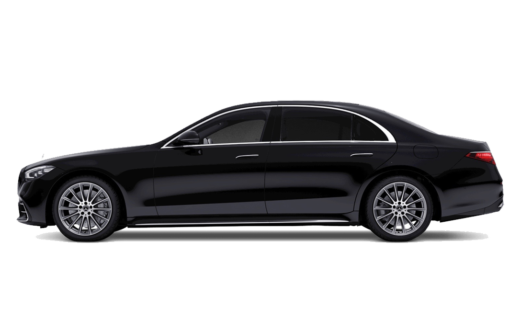
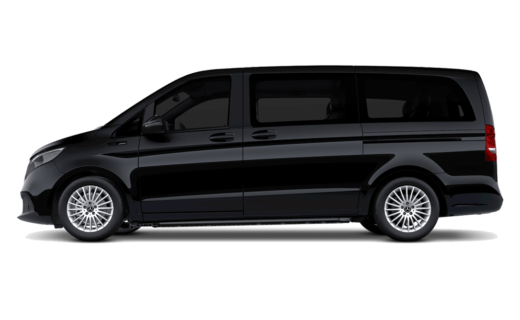
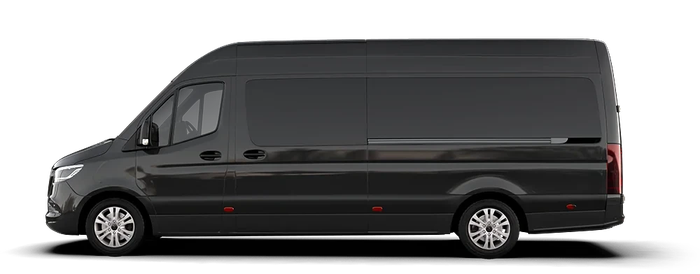
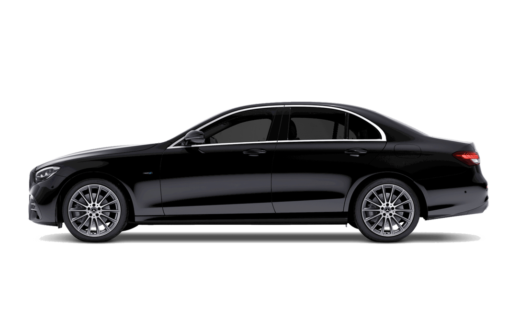
Our Geneva airport transfers and city work are booked per vehicle at a price agreed in writing beforehand. Tolls, vignettes, fuel and waiting time are included, as are flight tracking, meet & greet in arrivals with a name sign, and 60 minutes of free waiting after landing. Child and booster seats cost nothing extra. There is no night surcharge, no weekend rate and no peak-season increase during the ski months — the fare in February is the fare in June.
Frequently asked questions
When is L’Escalade in Geneva?
It commemorates 12 December, marking the failed Savoyard attack on the night of 11–12 December 1602. The main public celebrations are held on 11 December or the closest weekend.
Does it snow in Geneva in winter?
Yes, but the city is low — around 375 metres — so snow does not usually settle for long. Reliable snow is in the mountains within an hour or two of the city.
Can you ski from Geneva without staying in a resort?
Comfortably. Chamonix is around 1 h 10 by road, so a day trip from a city hotel is realistic, and several Portes du Soleil resorts are a similar distance.
Is Geneva worth visiting in winter?
If you want a city break with the Alps attached, yes. December adds L’Escalade and the Christmas markets; January and February are quieter in town and better on the slopes.
What should I book in advance?
Hotels for the L’Escalade weekend, restaurants in December generally, and airport transfers for Saturday arrivals in the ski season, when the arrivals hall is at its busiest.
Festival and museum details verified July 2026. Market dates and opening hours change each season — confirm with the organisers before planning a trip around them.